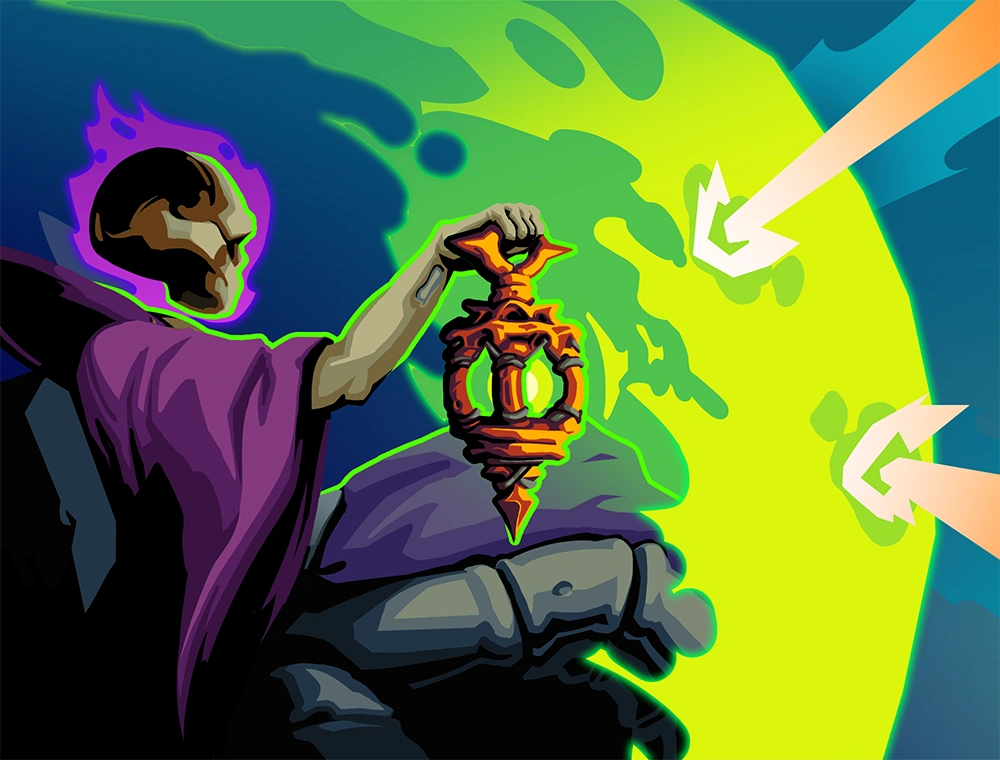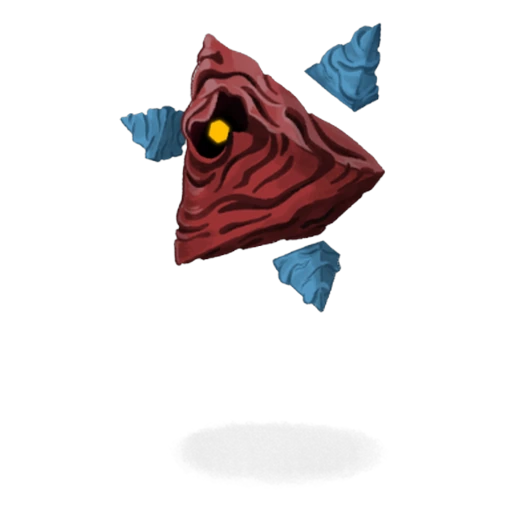
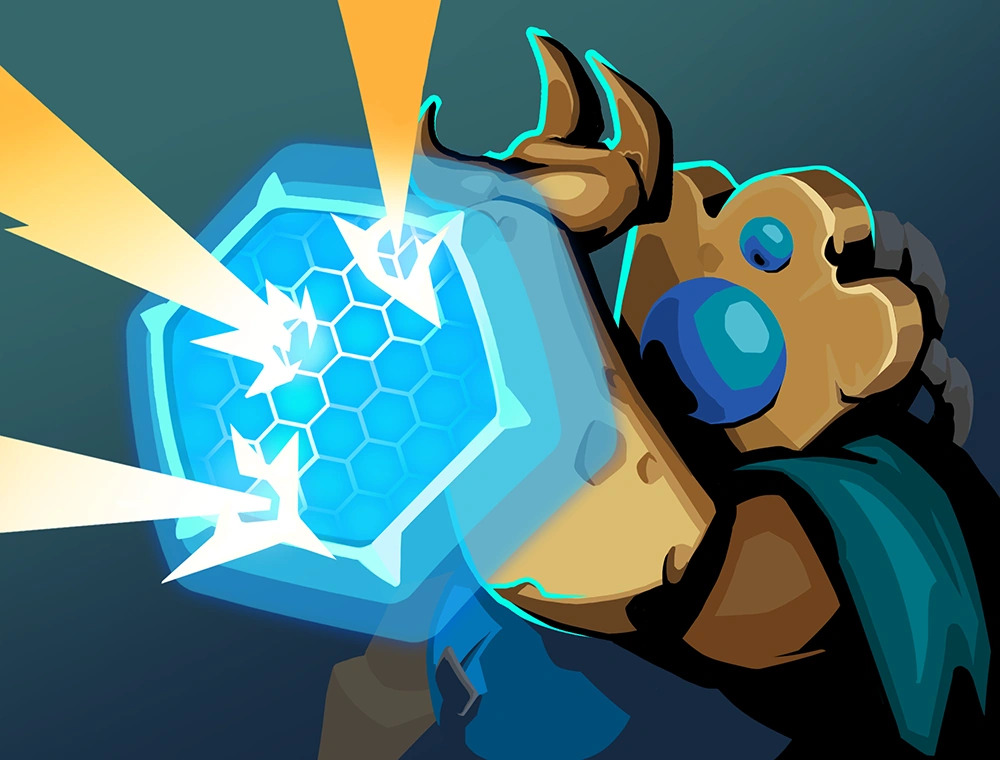
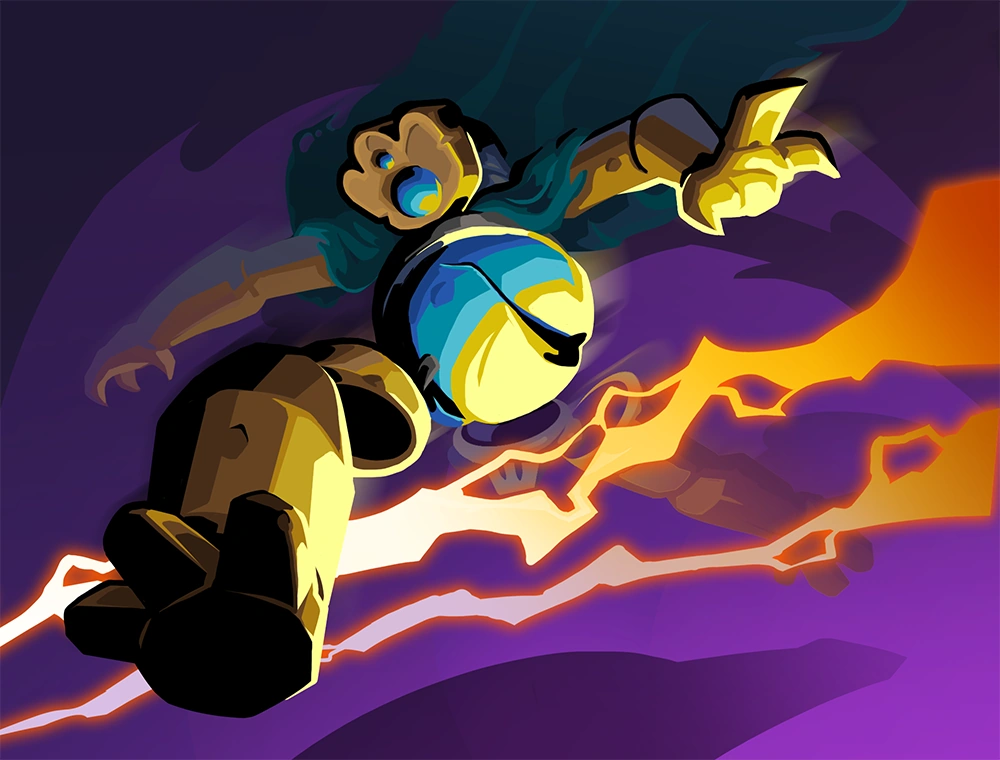
Against Infested Prism, the number printed on a Block Skill is not its full defensive value. Vital Spark makes Skills Tainted. Playing one increases the damage you take from Attacks for the current turn, so the same small block can help against a single hit and make a three-hit attack worse. Read the current Tainted amount and intent before committing the card.
Defend versus Leap on Whirlwind
Use a base-difficulty example with the Prism attacking for 5 × 3, Vital Spark at 2, no existing Block or Tainted, and no Frail, Weak, Dexterity, Strength or other modifiers. Both cards are unupgraded.
| Choice | Incoming damage after the Skill | Block gained | HP lost |
|---|---|---|---|
| Play neither Skill | 5 × 3 = 15 | 0 | 15 |
| Play Defend | (5 + 2) × 3 = 21 | 5 | 16 |
| Play Leap | (5 + 2) × 3 = 21 | 9 | 12 |
Defend spends one Energy and loses one more HP than skipping it. Leap also spends one Energy, but saves three HP. Their Energy costs are equal; their effects on this turn are not. If your HP is 16, Defend is lethal in this example while skipping it leaves one HP.
Each further Tainted Skill adds another surcharge. Two base Defends generate 10 Block but add 12 incoming damage across three hits, leaving 17 HP lost. A large stack of familiar defensive cards can therefore move the survival calculation in the wrong direction.
Count the hits before evaluating the Skill
Before other modifiers, compare the Skill’s Block with the Tainted amount multiplied by the number of incoming hits. Block beyond the incoming damage cannot save additional HP. At Tainted 2, the surcharge is two against a single hit and six against three hits. At a currently displayed amount of three, those surcharges become three and nine.
That makes the attack phase important. A Skill which is poor on Whirlwind can still save HP against Jab or Radiate. The Prism also raises its threat as the fight continues, so recalculate from the current effect rather than reusing the opening number. Higher-Ascension damage and Vital Spark values differ from the base example.
The shortcut is only valid when its assumptions hold. Frail, Dexterity, already accumulated Tainted, damage reduction, Weak, existing Block and an enemy kill all change the result. Read the updated intent after a play instead of adding a remembered surcharge to a number that already includes it.
Defense that does not add another Tainted Skill
Block Potion gives 12 Block without playing a Skill. Afterimage is a Power: once active, it supplies Block from later card plays without being another Skill each time. Dash is an Attack which supplies 10 Block and deals 10 damage, although its two-Energy cost still needs to be paid. Frost Orbs likewise provide a different defensive resource; channeling them through a Skill still has that Skill’s Tainted cost.
These options are reasons to preserve a particular potion or support card before entering an elite. They do not guarantee that every deck can force the fight. A map branch that permits a later elite gives time to improve a bad matchup; an early compulsory elite removes that choice. Use route planning before choosing the branch.
When a Skill is worth its surcharge
A Skill can be correct even if it gives no Block. If it finds and enables lethal, the Prism takes no attack turn. If it establishes a persistent defense, compare the current surcharge with the defense it adds over the remaining fight. Playing several setup Skills immediately before Whirlwind demands much more HP than establishing the same effects on a less expensive turn.
Strength reduction and Weak also affect the damage calculation. Their cards may themselves be Skills, so include the Tainted application rather than treating the reduction as free. Artifact can stop the intended debuff altogether. The Artifact guide explains application order, while temporary Strength reduction covers hit-count scaling.
For Necrobinder Souls, extra draw is useful only when it reaches cards you can afford to resolve. Repeatedly playing Souls to accumulate a larger hand can also accumulate Tainted. Count the defensive or lethal line that the extra draws are meant to find, and stop when another draw costs more health than it can plausibly recover.