
Guides
Card choices, opening hands, potions, routes, upgrades, Ascension and co-op decisions.
55 entries

Achievements, Badges and completion goals
Steam achievements are planned for version 1.0. Current goals include run-end Badges, Timeline unlocks and Ascension climbs.
Aeonglass: Wither, Artifact and attack windows
Manage the six-card Wither trigger and use the non-attacking turn without entering the next attack unprepared.

All for One loops: the cards, Energy and hand space required
A zero-cost Hologram+, TURBO and All for One can repeat without drawing. Follow the full cycle, including the Void added each time, before spending Touch of Insanity…

Ancients: healing, relic choices and tradeoffs
Choose Ancient rewards around the deck entering the next act, including the cost of replacing a starter relic.
Artifact: debuff applications and the order that removes them
Artifact blocks debuff applications, not a matching number of debuff points. Several small applications or an explicit removal effect can open the target to the stat…
Ascension 1–10: modifiers and preparation
The ten modifiers stack. Ascension 6 raises card-removal prices, and Ascension 10 adds a second Act 3 boss.

Baalorlord’s five-card Defect run
An Ascension 1 victory with five upgraded cards, Orb damage and Swift draws. The recorded Fiddle differs from its current effect.
Borrowed Time: which cards to play before the Energy boost
Base Borrowed Time adds three net Energy before its surcharge. Count the cards that still need to be played, and keep cheap draw ahead of it unless a specific trigge…

Boss preparation by mechanic
Prepare for protection, multi-hit attacks, deck disruption and revival instead of judging the next boss by HP alone.

Choosing an elite route without committing too early
Plan a preferred route and a safer branch. Evaluate preparation before the elite, recovery afterward, shop access, and the ordinary fights between rewards.
Choosing Neow rewards for the route ahead
Compare what each opening reward changes before the first difficult fight. Immediate cards, removals, potions, gold and delayed relics solve different problems.

Clone and Decisions, Decisions chains
Duplicate Decisions, Decisions at campfires, then use one copy to play another. Count the six-Star entry cost, available Skill targets and the copies consumed by Exh…
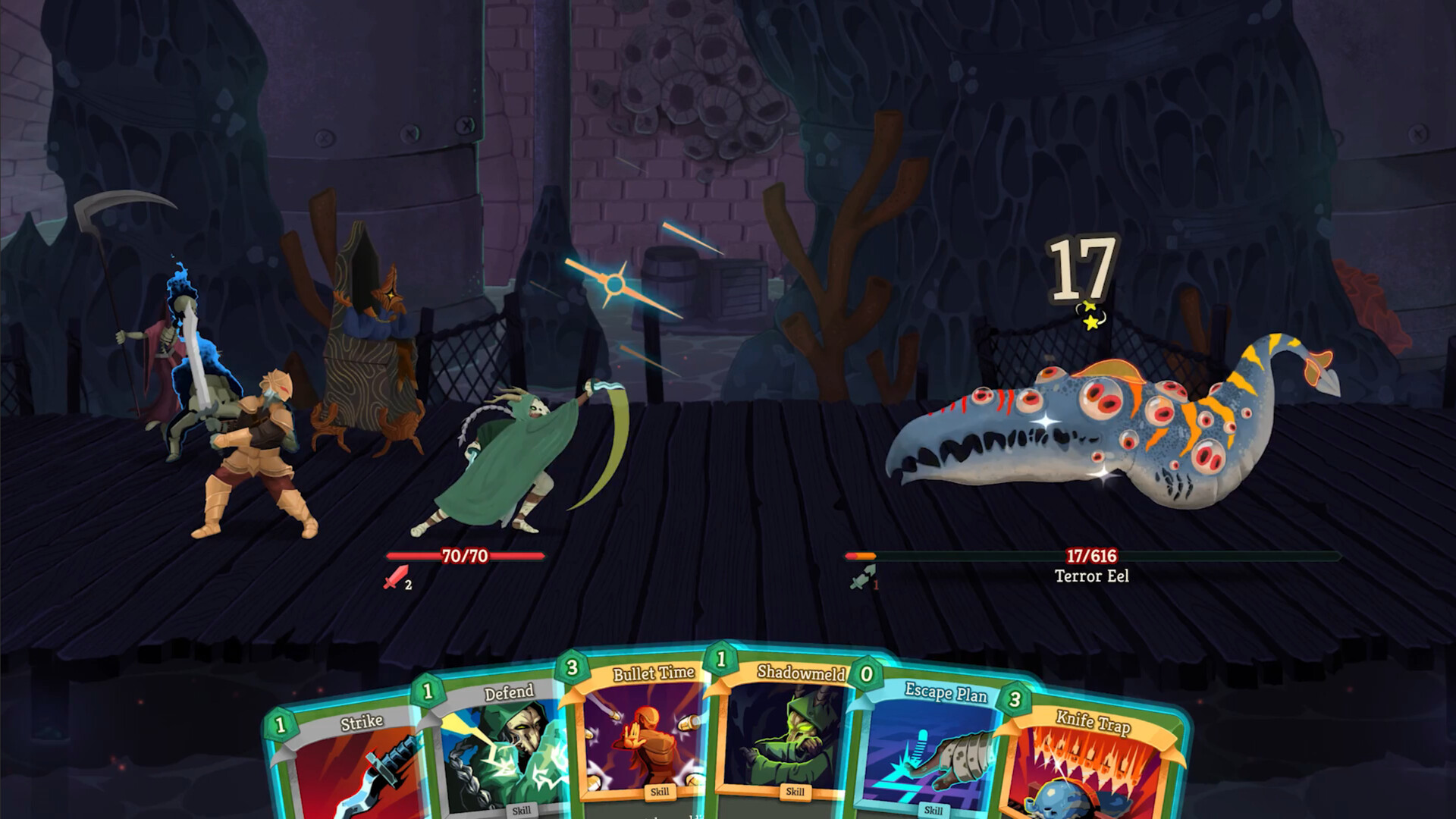
Co-op builds, shared enemies and separate resources
Coordinate card order and relic choices while each player manages a separate deck, energy pool and Gold.
Dark Orbs: choosing the moment and controlling the target
A Dark Orb accumulates damage instead of dealing it passively. Its Evoke targets the enemy with the lowest current HP, while each Evoke card still chooses its Orb by…

Deck size, draw order and consistency
Deck size matters through access to useful cards. Count first-cycle problems, generated cards and the cards that leave combat before chasing a small final number.

Defect Status cards: generation, payoffs and cleanup
Boost Away, TURBO and Overclock trade future Status cards for immediate resources. Separate those generators from cards that reward creation and cards that clear the…

Do transformations keep upgrades and enchantments?
Ordinary transforms replace the card and lose its investment. Claws and Archaic Tooth have narrower exceptions; Curses need separate treatment.
Doom versus Poison: damage, debuffs and the last enemy attack
Poison removes HP at the start of the affected creature’s turn. Doom checks a lethal threshold at the end of the enemy turn, so reaching that threshold does not norm…

Double Sealed Throne and Particle Wall
Two Throne stacks replace Particle Wall’s two-Star payment on every play. Add a damage payoff and preserve the Stars needed to start the sequence.

Double Snecko: obtain both the real and fake eyes
Take the real Snecko Eye when Darv offers it, preserve access to the fake Merchant, and actually collect the fake eye. The second relic completes a collection challe…
Enchantments, card keywords and afflictions
What survives the fight, why some cards cannot receive another enchantment, and how Bound and other enemy effects change a playable hand.

Energy, card draw and turns that do not work
Separate a lack of cards from a lack of Energy, then check the order in which draw, discounts and free plays resolve.
Entomancer: Shivs, Dazed and damage per hit
Increase the damage each attack hit achieves, watch the cards remaining in the draw pile, and prepare defense that survives a hand polluted with Dazed.

Event choices: health costs, Curses and delayed rewards
Compare an event with your next encounters and shops; a permanent reward can have an immediate lethal cost.
Feral, Echo Form and first-card timing
First-card Powers count qualifying plays from the start of the turn. Compare Feral and Claw order, doubled Echo Form setup, and the first Shiv bonus.
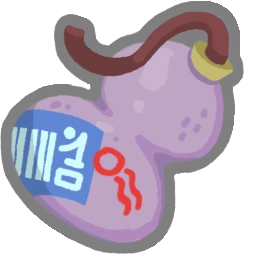
Foul Potion and the hidden Merchant fight
Throw it at a real Merchant for Gold, or at The Merchant??? to start a fight. The reward, purchases and self-damage create different choices.
Ghost Seed and Grand Finale: an A10 combat-cycle study
A community win pairs Ethereal starters with a small Finale cycle and Poison. Learn the draw-count requirements, the role of Backflip and why combat thinning differs…
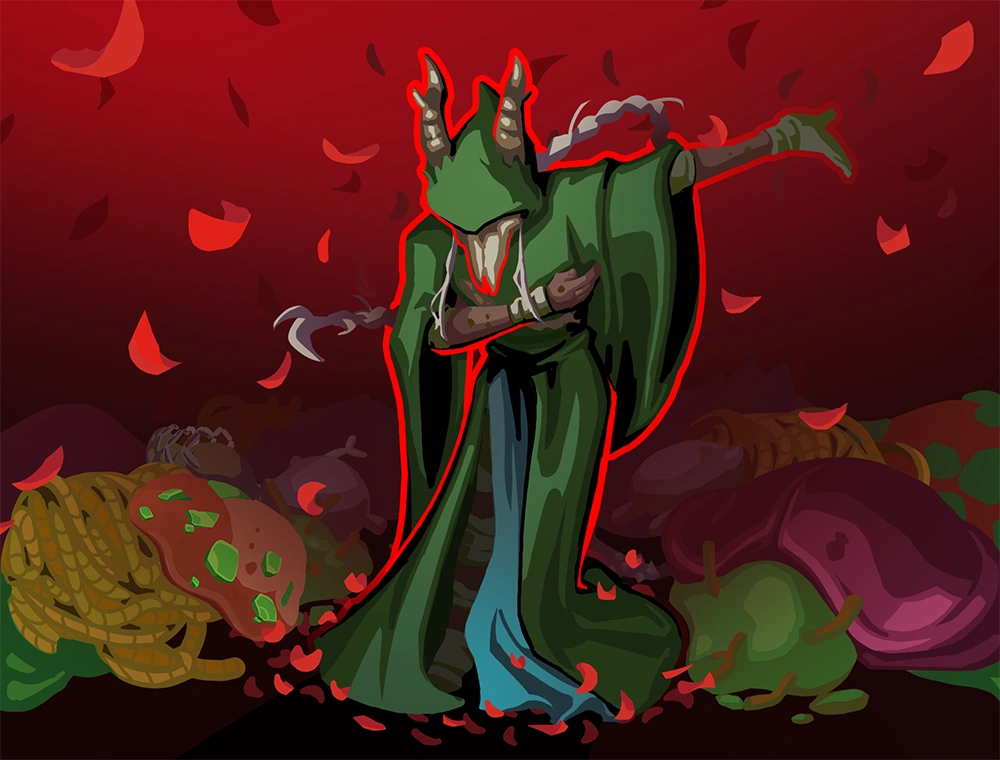
Grand Finale: exact draw counts and the reshuffle trap
Keep Grand Finale available, draw exactly the cards remaining, and play it before another draw starts a reshuffle. A larger draw effect can miss the same window.

How relics change campfire choices
Entering a rest site and choosing Rest are different triggers. Eternal Feather, Tea Set, Stone Humidifier and Miniature Tent change which action pays off.

How temporary Strength loss works
Why Piercing Wail stops multi-hit attacks so efficiently, when the lost Strength returns, and which old phase-transition warning has been fixed.
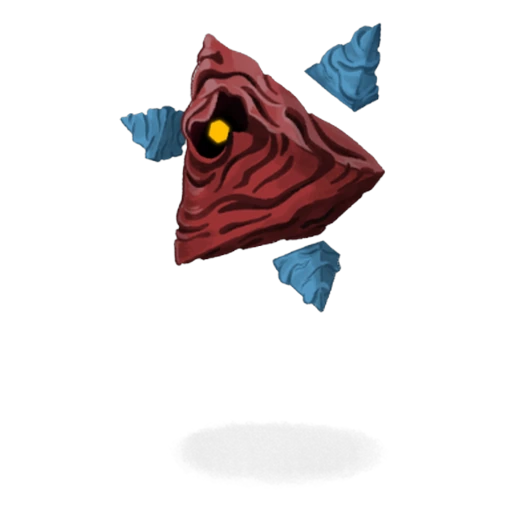
Infested Prism: when a Block Skill makes the turn worse
Compare the Block gained with the extra damage Tainted adds to every hit. Small Skills can lose health on Whirlwind; stronger blocks, Weak and non-Skill defense chan…
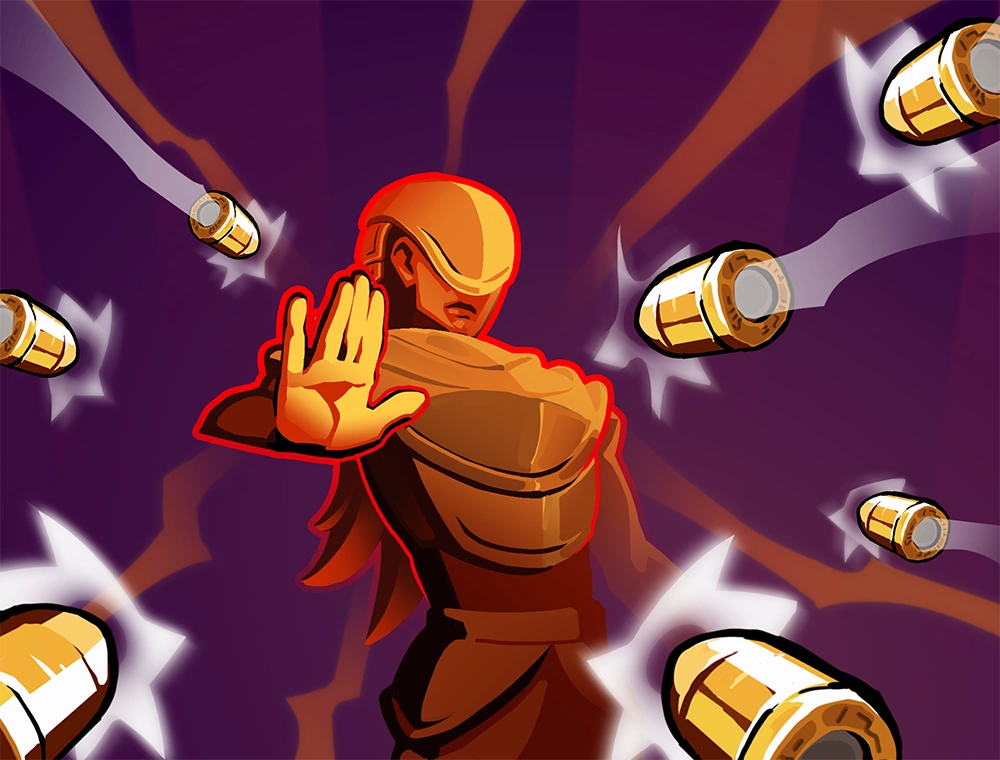
Jorbs’s one-HP Silent start: the 95-Block turn
A historical Ascension 10 recording shows 6/6 HP behind 95 Block. Study the defensive position and distinguish a one-HP start from a one-Max-HP finish.
Keywords and timing rules
Exhaust, Ethereal, Retain, Innate, Sly and Eternal describe different rules. Read the timing before treating similar-looking effects as interchangeable.

Lucky Tonic and Buffer
Lucky Tonic prevents one loss of HP. Multi-hit attacks, damaging statuses and your own HP-loss effects can consume that protection before the hit you intended to sto…

Merchant removal, Curses and shop priorities
Compare removal with immediate survival, and budget for the higher prices at Ascension 6.
Miniscule: win with five or fewer cards
Reach the final win with no more than five permanent cards. Budget removals, preserve a complete damage-and-defense package, and separate a tiny combat loop from a t…

Monster Deck: win with one hundred cards
Build a permanent deck of at least one hundred cards without losing access to damage and defense. Plan Clone growth, extra rewards and the cost of duplicating the wh…
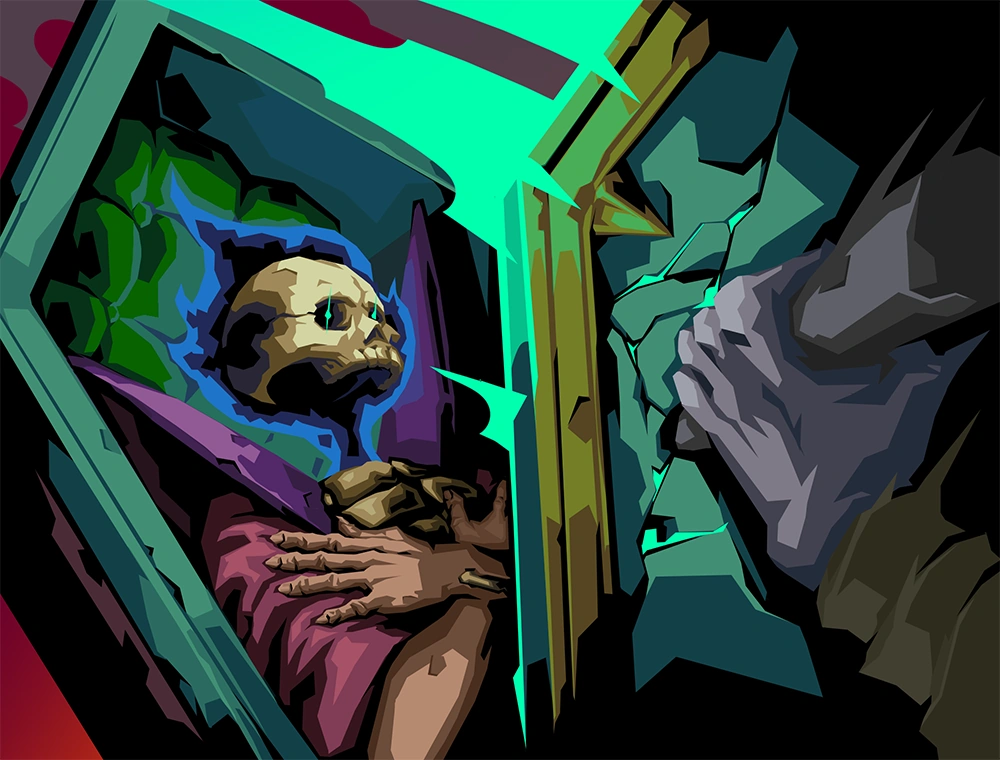
Necrobinder Ethereal cards: drawing, playing and exhausting
Pagestorm rewards drawing an Ethereal card; Spirit of Ash rewards playing it. Letting a card Exhaust unplayed is a third action with a different consequence.
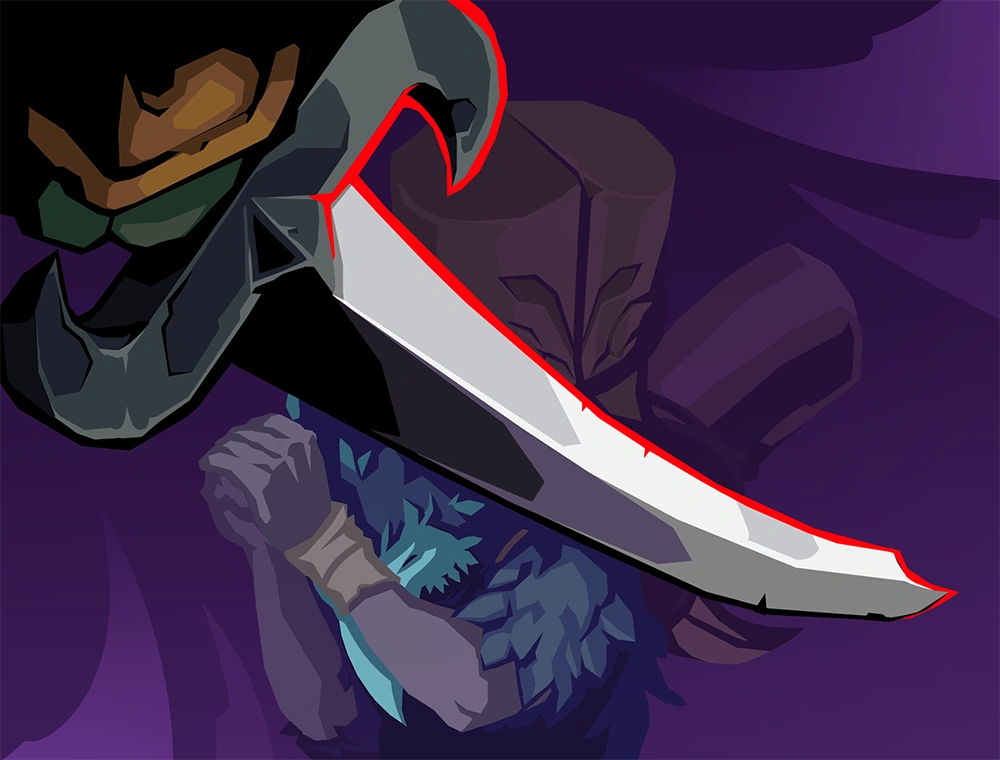
Northernlion’s Vulnerable and Strength run
An Ascension 8 victory built around Vulnerable, Dominate and multihit attacks. Compare immediate Strength with Demon Form’s delayed return.

Perfect badge: three bosses without losing HP
Prepare a clean opening, preserve the potion that covers the bad hand, and count actual boss defeats. Perfect requires three qualifying bosses in one run, rather tha…

Prolong: saving a Block snapshot and repeating it next turn
Prolong records your current Block when played. Compare two orders, then use Hologram+ or All for One to schedule multiple Block gains without confusing them with im…
Reshuffle timing: which cards can you draw again?
A reshuffle uses the discard pile, not the cards still in your hand or the card currently resolving. Change the order of plays to change the next draw pool.
Rest or upgrade before the next fight?
Compare the HP recovered with a specific upgrade and the encounters before the next safe stop.

Retained Shivs, Dexterity and attack-count relics
Use retained Shivs to reach Kunai and Ornamental Fan triggers, then play Block cards after Helical Dart supplies Dexterity. Compare 13 Block with nine from the same …
Runic Pyramid: holding useful cards without clogging the hand
Runic Pyramid improves control over when cards are played. A hand that stops drawing needs a way to spend, discard, Exhaust or transform its accumulated cards, rathe…

Should you take or eat Byrdonis Egg?
Compare the seven Max HP with the fights before the next campfire, the action spent hatching, and the damage Byrd Swoop would add.

Speediest badge: finish a winning run in under 30 minutes
Use a familiar deck, make fewer repeated decisions, and choose fights the current hand can finish efficiently. A repeatable damage engine is useful only if it also f…
Tablet of Truth: win with one Max HP
Finish the run at exactly one Max HP. Plan every opening hand, separate damage reduction from prevention, and avoid Max HP gains that erase the objective.
The launch Necrobinder Soul loop and Borrowed Time rework
A March 2026 player-documented engine used renewable zero-cost Energy to keep Souls moving. See which premise changed and why the same card names no longer establish…

Timeline, character unlocks and new item pools
Reveal Epochs after runs to unlock characters, cards, potions, relics and alternate content.

Waterfall Giant: survive the turn after lethal
Plan the explosion turn before reducing the Giant to zero HP. Block timing, debuff removal and your next hand matter more than the word lethal suggests.

When to spend a potion before the boss
Use a potion when it changes a concrete result: prevents damage, secures a kill, fixes a failed draw or makes a planned elite route survivable.
When to take a card and when to skip
Compare a reward with the deck’s immediate shortage, the energy available to play it, and the encounters before the next chance to improve.

Why a strong deck can lose on its first draw
Separate missing answers from answers drawn too late. Opening cards, energy, cheap defense, status control and sequencing can matter before the deck reaches its engi…

X-cost cards: resources, Chemical X and repeated plays
For a manually played X-cost card, the relevant remaining resource sets the base effect. Extra X effects and Replay increase output differently from adding more ener…
No entries match. Clear the search or reset the filters.