
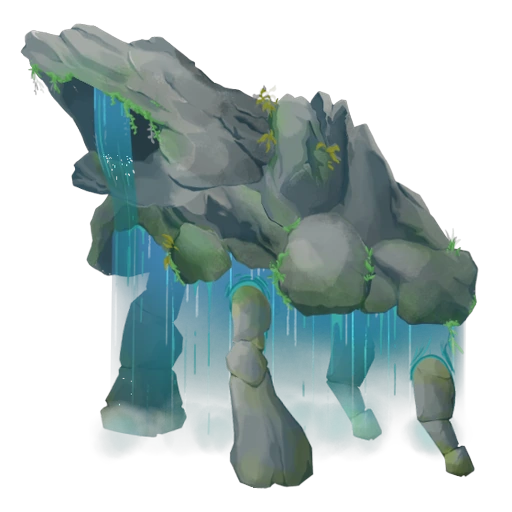


Reducing Waterfall Giant to zero HP does not end the fight immediately. Steam Eruption produces a final damage check at the end of your next turn. You need enough damage to control the steam total and a separate plan for surviving that last turn. Block or Weak available before the transition is not automatically available afterward.
The kill turn and the explosion turn
| Stage | What to plan |
|---|---|
| Before lethal | Read the current Steam Eruption amount, HP and remaining deck. Identify the defense you expect after the transition. |
| Turn reducing the Giant to zero | Spend enough to reach lethal; ordinary Block from this turn will normally expire before the explosion. |
| Final player turn | Apply the defense and applicable debuffs that cover the actual explosion. |
| Explosion | Survive the damage remaining after those effects. Reaching zero HP is a loss. |
The Giant’s opening Pressurize adds 15 Steam Eruption. Several later moves add three more. Its attack pattern therefore creates an escalating cost for a very slow kill. That does not mean maximizing damage at every opportunity is correct: losing too much HP during the setup can make a smaller final explosion lethal anyway.
A concrete survival check
Suppose the displayed explosion amount is 42, you have 30 HP, and your final-turn hand supplies 12 Block. There is no Vulnerable, Strength, damage reduction, Osty or other modifier. Weak, if used, applies successfully after the transition.
| Final-turn line | Damage after Weak | Block | HP lost | Result |
|---|---|---|---|---|
| 12 Block only | 42 | 12 | 30 | Exactly lethal |
| Weak, then 12 Block | 31 | 12 | 19 | Survive with 11 HP |
Weak reduces 42 to 31 after rounding down. The difference is 11 damage, enough to turn the same Block hand from a loss into survival. These are illustrative starting conditions, not a prediction that every Giant explodes for 42.
A Weak Potion is useful here because its application is unconditional. A Block Potion contributes 12 Block, but should be saved for the turn where that Block is needed. Drinking it on the kill turn normally spends its defense before the final attack. Blur can preserve Block across the turn boundary; ordinary Block does not do that by itself.
Weak timing and conditional cards
The transition clears existing debuffs. Applying Weak early may help against Stomp or Ram, but do not count those old stacks as your final-explosion answer. Confirm the effect after the transition and apply it during the final window.
Neutralize deals damage and then applies Weak. That printed order differs from applying Weak and then killing with another card. The safest general plan is to have a Weak source available after the transition; an effect attached to the lethal card requires checking its resolution order rather than assuming every old debuff survives.
Go for the Eyes adds another condition: it applies Weak only if the enemy intends to attack. The actual Explode move supports it, but a non-attacking setup or stun intent does not qualify merely because a dangerous hit is coming later. Save the card for the appropriate intent instead of treating it as an unconditional substitute for Neutralize or a Weak Potion. The Artifact guide covers another reason an attempted debuff can fail.
Plan the next hand before committing lethal
A lethal hand can contain most of the deck’s defense. If you play those cards now, they may be unavailable in the final hand. Look at the draw and discard piles, any known top cards, remaining draw effects and Energy costs. A larger deck does not guarantee a bad draw, and a smaller one does not guarantee the particular cards you need.
Retain and Block-preservation effects can make a final-turn plan more dependable. They solve different problems: retaining a card keeps a future play available, while preserving Block carries an already generated amount across the turn boundary. Neither supplies the Energy needed to play a retained expensive card. Use opening-hand consistency and Energy versus draw for those resource checks.
Damage and HP preparation before the boss
At the final campfire, compare the actual upgrade with the HP a Rest would restore. An upgrade that accelerates the kill can reduce future steam, but it must save more than the HP you surrender by skipping Rest. A defensive upgrade may instead increase the final hand’s available Block. There is no universal rule to rest or upgrade; the campfire comparison explains the tradeoff.
The same reasoning applies to a shop or elite route. A useful potion can be part of a complete boss plan, not an emergency bottle to hold until after the fight. Decide what it covers, preserve enough HP to reach that window, and avoid spending its effect a turn before it matters.