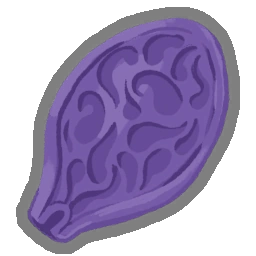
BSTCloud reported an Ascension 10 Silent win built around Ghost Seed and Grand Finale. The unusual part is the small combat cycle: starter cards leave the cycling pool, Powers are played, and a few remaining cards make Finale accessible repeatedly.
This is a community run study. The source does not identify its exact game version; the mechanics below refer to the current main-branch entries linked on this site.
The reported run
Golden Pearl funded an early shop; Ghost Seed appeared on floor 5 and Grand Finale followed on floor 6. After setup, the author described a seven-card combat cycle: Neutralize, Survivor, Leg Sweep+, Bouncing Flask, Grand Finale, Snakebite and Backflip.
With Snakebite held in hand and Tools of the Trade active, the reported sequence played Finale, used Backflip, then played Finale again for 120 damage. No Well-Laid Plans appeared. Poison contributed to the win, including after Burns interrupted the Test Subject fight. Dagger Spray handled Act 2 insects before being removed in Act 3.
Those are the source run’s results. The precise hand state and access to every required effect still determine whether a similar deck can repeat the sequence.
Ghost Seed reduces the combat pool
Ghost Seed gives Strikes and Defends Ethereal. Leaving an Ethereal starter in hand at turn end Exhausts it for that combat. Playing it does not, by itself, trigger Ethereal’s end-of-turn Exhaust.
This creates a decision on an incoming attack. Playing Defend can protect HP now; leaving it unused can improve later draws. If the next hit is dangerous, thinning is not a reason to refuse necessary Block. Plan which starters can safely disappear over the first turns rather than assuming the entire opening deck vanishes immediately.
Played Powers also leave the normal draw-and-discard cycle. Together, these changes can make a deck’s later turns much more consistent than its permanent card count suggests. They do not remove cards from the permanent deck. Ghost Seed alone does not satisfy the five-card finishing challenge.
Count the draw pile before each Finale
Current Grand Finale costs zero and deals 60 damage to all enemies, or 75 when upgraded. Manual play requires an empty draw pile. The restriction is about the draw pile at the moment of play; owning a small deck does not automatically meet it.
| Draw-pile state | Decision |
|---|---|
| Finale in hand, zero cards remaining | Finale is playable. Check defense and further sequencing before committing the hand. |
| Finale in hand, one card remaining | Find a controlled way to draw that card. Drawing through a reshuffle can create a new nonempty pile. |
| Finale still in the draw pile | Count both the distance to Finale and the cards that will remain behind it. |
| Finale already discarded | Identify the reshuffle that returns it, and which other cards join that shuffle. |
Backflip draws two cards and grants Block. That makes it a useful draw-count tool, but drawing two from every possible pile state does not produce the same result. A draw effect that crosses a shuffle can refill the pile and close Finale’s play window. The card currently resolving is also absent from the shuffle it triggers. Use the Finale draw-count guide and reshuffle examples before treating a promising turn as a loop.
Preserve the hand state that makes the cycle work
Tools of the Trade draws one and discards one at the start of the turn. It helps control which cards remain available; it does not itself grant Retain. Well-Laid Plans is one current way to preserve selected cards, but it was absent from this report. The account should not be read as evidence that every seven-card pool automatically keeps Snakebite in hand.
For your own version, track four things after each play: cards in hand, cards in the draw pile, cards in the discard pile and remaining energy. Write down the next cycle’s starting state. If a required card leaves hand or an extra status enters the shuffle, recalculate rather than following the previous turn’s sequence mechanically.
Keep damage and defense outside the combo
Leg Sweep provides Block and Weak. Snakebite and Bouncing Flask offer a Poison route when a particular hand cannot produce repeated Finale plays. These functions make useful companions because a stalled draw turn still needs an answer to the enemy.
Keep the cards that solve the current act until their job is finished. An early area attack can be worth its place against multiple enemies even when it makes the eventual cycling pool larger. Remove it when the remaining encounters and the deck’s established engine justify that trade. The card removal guide explains why the weakest starter is not always the only sensible removal.