
The first Star budget
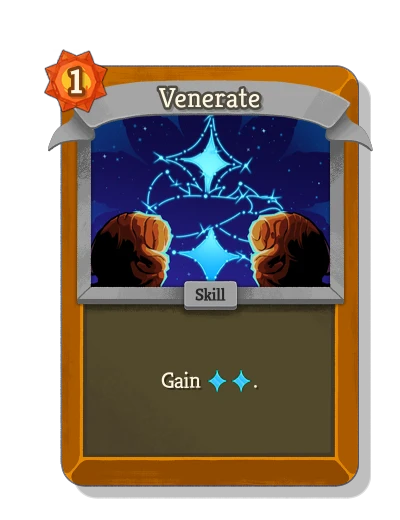
Unlock Regent by playing a Silent run and opening Anomalous Planet. Divine Right provides Stars at the beginning of combat, while Venerate supplies another source in the starter deck. That opening supply is not the same as repeatable generation across a long boss fight.
Check both costs before planning a turn. Enough Energy does not make a Star-cost card playable when the Star pool is empty. A hand with several spenders can fail even when the deck contains powerful attacks.
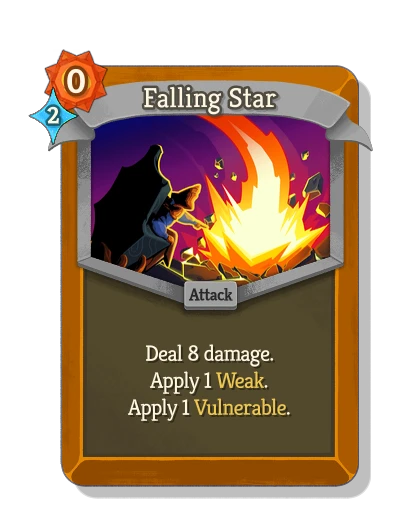
The practical first rewards are cards the deck can use now. Falling Star already combines damage with Weak and Vulnerable. Additional immediate damage, defense and resource production can improve the opening before a named Stars or Forge engine exists.
Generation before more spending
| Hand or deck problem | Useful comparison |
|---|---|
| Star-cost cards repeatedly wait unplayed | Another producer or a producer upgrade versus another spender. |
| Plenty of Stars remain but hands run empty | Draw and a usable payoff versus redundant generation. |
| The damage combo works only by taking a large hit | Defense or cheaper sequencing versus a larger finisher. |
| Sovereign Blade grows but appears too late | Access to the Blade and its supporting sequence versus more Forge. |
An example budget makes the first problem visible: if the repeatable cards create four Stars per deck cycle but the desired sequence spends six, something must remain unplayed unless another source covers the difference. The initial relic can disguise that shortage during the first cycle.
Forge and the Blade
Forge develops Sovereign Blade, a retained attack. Its value depends on when the deck can actually use it. A large future Blade does not prevent the enemy’s current attack, and a Forge card that gives no immediate Block can make its setup turn costly.
Conqueror adds Forge and makes the Blade deal double damage to the target that turn. Playing the amplifier when the Blade cannot be played wastes the intended burst window. Retain can help assemble the pair, but count the Energy available for both before committing.
Stars and Forge need not be exclusive. Big Bang contributes draw, Energy, Stars and Forge in one card. A deck using that package may gain Blade damage alongside its other resource plan without collecting every Forge payoff.
Generated cards and hand space
Colorless and generated-card effects broaden the available answers. They also add choices that must fit in the hand and within the turn’s costs. A card appearing for free is not automatically playable for free; read the creation effect and the created card separately.
Avoid taking an expensive payoff solely because the deck can occasionally generate its support. Compare how often it will be usable with the attack or defensive card it displaces in ordinary hands.
The Stars guide, Forge guide and Colorless tools guide cover these directions. Use rest or upgrade when a generator upgrade competes with the HP needed for the next fight.
Against Aeonglass, extra resource-conversion plays still count toward Withering Presence. Convert enough resources to finish the useful sequence, and retain a way to handle the Status card it can create.